Waratah: A Bold and Vibrant Embroidery Design
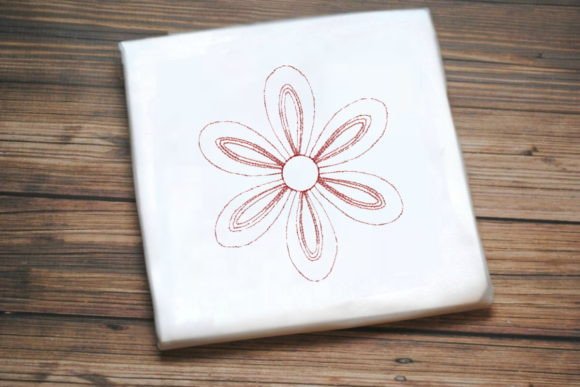
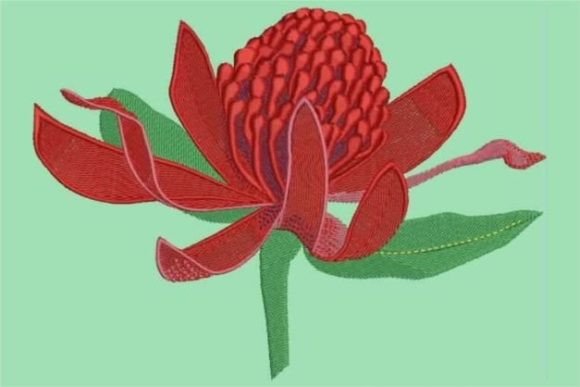
The Waratah, with its striking red petals, is a design that immediately captures the eye. As an experienced designer, I was drawn to this embroidery file for its potential in both personal and commercial projects. Let's dive into how it performs in real-life embroidery situations.
First Impressions and Visual Appeal
Upon first glance, the Waratah exudes a bold and vibrant energy. The brilliant red color is not just eyecatching; it's also versatile, making it suitable for a variety of themes, including Christmas embellishments. The design's intricate details and natural shape give it a sophisticated yet approachable feel, perfect for adding a touch of elegance to any project.
Ideal Projects for Waratah
- Tote Bags: The Waratah would make a stunning centerpiece on a tote bag, adding a pop of color and a touch of nature.
- Sweatshirts and T-Shirts: For custom apparel, this design can transform a simple sweatshirt or t-shirt into a statement piece.
- Baby Clothes and Nursery Decor: The gentle yet vibrant nature of the Waratah makes it a great choice for baby items and nursery decor, bringing a sense of warmth and beauty.
- Holiday Gifts: Given its festive red color, the Waratah is ideal for holiday-themed gifts, such as embroidered tea towels or pillow covers.
- Etsy Listings and Small Shop Merchandise: This design has the potential to become a bestseller in your Etsy shop or small business, appealing to customers looking for unique, high-quality embroidered products.
Practical Considerations for Real-Life Embroidery
While the Waratah is visually impressive, there are a few practical considerations to keep in mind when using it in real embroidery projects.
Stitch Density and Fabric Compatibility
Given the detailed nature of the Waratah, it's important to check the stitch density before starting. Dense stitch areas can be challenging on thin or stretchy fabrics, so it's advisable to test the design on scrap fabric first. Additionally, using the right stabilizer is crucial to ensure the design holds up well, especially on textured or layered garments.
Thread Colors and Contrast
The vibrant red of the Waratah is its most striking feature, but it's essential to choose thread colors that provide good contrast against the fabric. For dark backgrounds, consider using lighter shades or even metallic threads to make the design stand out. Testing the design in black and white mockups can help you visualize how the final product will look.
Small Hoop Sizes and Curved Surfaces
For smaller hoop sizes and curved surfaces like caps, the Waratah may require some adjustments. Detailed corners and dense stitch areas might need to be simplified to ensure the design stitches cleanly and looks professional. Always confirm the hoop size and inspect small details to avoid any issues during the embroidery process.
Enhancing Product Value and Customer Trust
Incorporating the Waratah into your embroidery projects can significantly enhance the visual appeal and value of your finished products. The design's high level of detail and vibrant color make it a standout choice, which can boost customer trust and recognition. Whether you're creating personalized gifts, custom apparel, or boutique branding, the Waratah adds a touch of sophistication and quality.
Final Thoughts and Designer Notes
Before using the Waratah in your embroidery projects, here are some final tips:
- Test the design on scrap fabric to ensure it works well with your chosen material.
- Check the thread color contrast and review the stitch density to achieve the best results.
- Confirm the hoop size and inspect small details to avoid any stitching issues.
- Use proper stabilizer, especially on textured or stretchy fabrics, to maintain the design's integrity.
- Consider the design's suitability for both personal and commercial projects, and always check licensing terms before selling finished items or digital products.
The Waratah is a versatile and visually stunning embroidery design that can elevate a wide range of projects. With careful planning and attention to detail, it can become a valuable asset in your embroidery toolkit, helping you create beautiful, high-quality products that stand out in the market.